Farmington, Michigan · Water damage referrals
Rouge River Restoration is a specialist research and referral service for water damage restoration in Farmington. One call connects you with an independent local pro. No charge to call, and no obligation until you approve a written estimate.
Rouge River Restoration is a free referral service. We connect you with an independent local pro; we do not perform the work ourselves.
Run by a US based operator. Real people here route your call, not an offshore lead farm.
Serving Farmington ZIP codes 48331, 48334, 48335, 48336, across the Rouge River service area and the neighborhoods named below.
Farmington's water answer starts below the main floor. The postwar ranch and colonial subdivisions that fill this footprint finished their lower levels as living space, and the Rouge River branches set the groundwater mood for the low streets among them. So a modest supply failure here routinely becomes a finishes scope, while the same volume in an unfinished basement stays a drying job. The moisture map drawn in the first hours is the document that separates those two outcomes, and it is also the document the drying plan and the claim are built from. In Farmington the deciding local variable is this: spring thaw and heavy rain overwhelm sumps in the lower lying streets, finished basements turn small supply leaks into rebuild scopes, and freeze splits find the pipes on exterior walls every winter. This 2027 guide is compiled from the latest published national figures and local data for the covered ZIP codes 48331, 48334, 48335, 48336.
Nothing. The call and the referral are free, and there is no obligation to hire anyone.
Only after the pro has seen the job and you have approved a written estimate. Approving the price is always your decision.
An independent local contractor who takes this kind of work in Farmington. You deal with them directly, and you can verify licensing and insurance before hiring.
No. This service is run by a US based routing team. Real people here route your call to a local pro.
Water losses handled as one scope from extraction to rebuild, priced from a moisture map rather than a walkthrough glance. Here, the pattern behind the call is consistent: sump failures and finished basement exposure drive the loss pattern, and the Rouge River neighborhoods tend to show it first.
Call PLACEHOLDER
Standing water extracted fast, day or night, because every hour of soak raises the drying and demolition bill. Expect the first visit in Farmington to start from the building itself: ranch and colonial subdivisions with finished basements, read against cold winters with freeze and thaw cycles, wet springs, and humid summers.
Call PLACEHOLDER
Water scopes for businesses and multi unit buildings, sequenced to keep doors open and tenants documented. In Farmington, the local read matters: this is stock where sump failures and finished basement exposure drive the loss pattern.
Call PLACEHOLDER
Cleanup after a burst line that pairs the plumbing event with the drying scope, so both files tell the same story. Across the Rouge River side of Farmington, the scope is written around ranch and colonial subdivisions with finished basements, and the price follows that read.
Call PLACEHOLDER
Sewage losses handled as contaminated work: protective protocol, removal of porous material, and disinfection that is verified. Farmington crews meet this job most often in ranch and colonial subdivisions with finished basements, under cold winters with freeze and thaw cycles, wet springs, and humid summers.
Call PLACEHOLDER
Flood entries cleaned and dried with the contamination question answered honestly before finishes are discussed. The written scope for a Farmington home names access and materials first, because sump failures and finished basement exposure drive the loss pattern.
Call PLACEHOLDER
Lower level water removed and the entry point named, because pumping without a source verdict is a subscription, not a fix. Here, the pattern behind the call is consistent: sump failures and finished basement exposure drive the loss pattern, and the Rouge River neighborhoods tend to show it first.
Call PLACEHOLDER
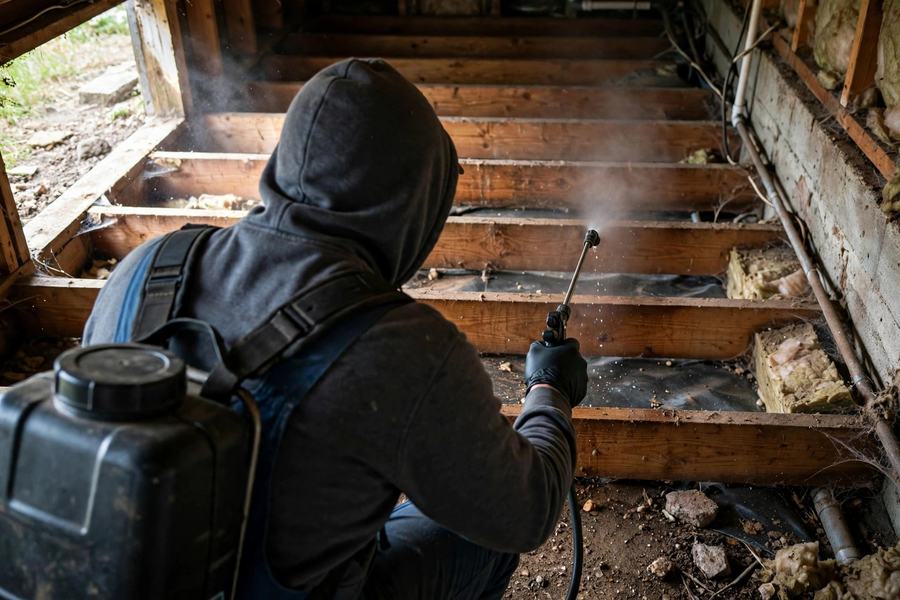
Crawl space water and vapor problems read from underneath, where the framing and insulation tell the truth first. Expect the first visit in Farmington to start from the building itself: ranch and colonial subdivisions with finished basements, read against cold winters with freeze and thaw cycles, wet springs, and humid summers.
Call PLACEHOLDER
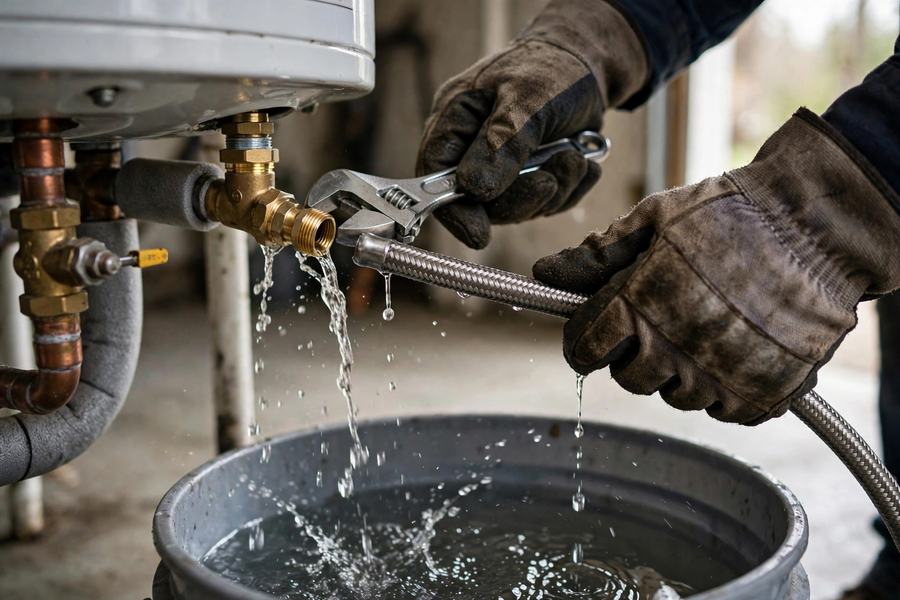
Heater leak losses dried and documented, with the appliance decision kept separate from the restoration scope. In Farmington, the local read matters: this is stock where sump failures and finished basement exposure drive the loss pattern.
Call PLACEHOLDER
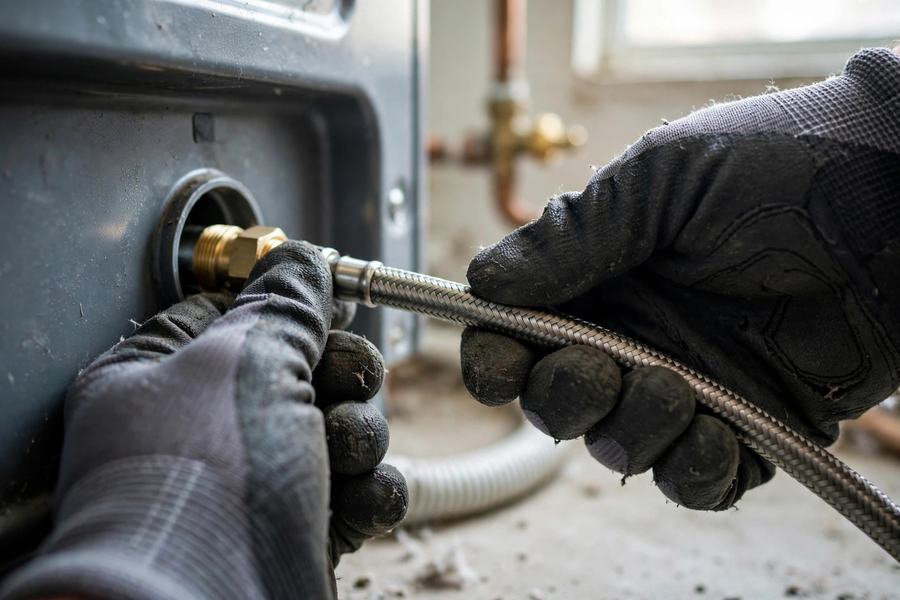
Supply and drain failures from washers, dishwashers, and ice makers, dried in the cavities they quietly soaked. Across the Rouge River side of Farmington, the scope is written around ranch and colonial subdivisions with finished basements, and the price follows that read.
Call PLACEHOLDER
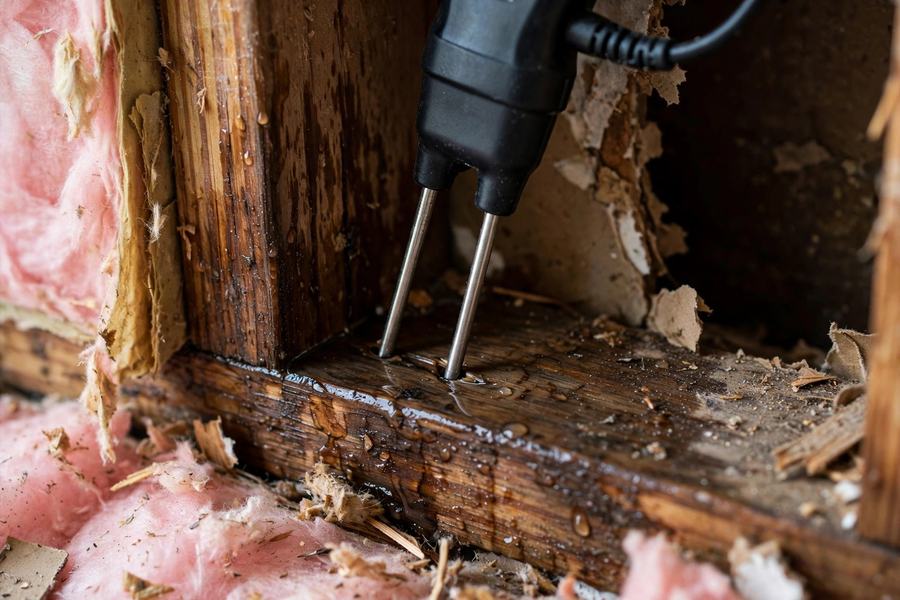
Drying plans built on meter readings by material, logged daily, and stopped by numbers rather than by feel. Farmington crews meet this job most often in ranch and colonial subdivisions with finished basements, under cold winters with freeze and thaw cycles, wet springs, and humid summers.
Call PLACEHOLDERDescribe what you are seeing. One free call connects you with an independent local pro who can assess it in person.
PLACEHOLDERFarmington water work in 2027 is priced from the moisture map, the finished lower level area it covers, and sump timing on the low streets, checked against the latest published national figures.
See cost ranges and how insurance paysCoverage in Farmington follows the same national logic with a local accent: sudden plumbing failures, a burst line, a failed supply hose, a water heater that lets go, are commonly covered subject to deductible and documentation. Outside flood water is a different policy world and commonly needs separate flood coverage, which matters on the low streets toward the Rouge River. Slow leaks that ran for months are the disputed middle; the photographs and readings taken at discovery are what move a file from disputed to documented.
Start extraction the same day whenever it is possible. On Farmington slabs, water does not wait politely in the room where it landed: it wicks into drywall within hours, travels under flooring across black clay, and starts feeding mold within 24 to 48 hours in warm conditions. Every day of delay converts drying scope into tear out scope. The first visit should extract, meter walls and floors beyond the visible wet area, and set equipment against those readings, because the map, not the puddle, defines the job.
Use the published bands as the frame and the moisture map as the number. National guides put professional cleanup and drying commonly in the low thousands for a contained loss, and Farmington contained losses, one room, caught early, source stopped, sit in that frame. Sewage and outside water price on their own protocol, tear out and rebuild price room by room, and multi room migration under slab flooring is what carries a Farmington job above the band. Any total quoted before metering is a guess wearing a uniform.
Match the job to the water. A small clean water spill on hard flooring is towels, fans, and a meter check you can do yourself. Water inside wall cavities, under flooring, or from any contaminated source is professional work, because the damage hides where household fans cannot reach and where readings, not touch, decide when material is dry. The honest test is simple: if you cannot verify dryness with a meter, you are hoping, and hope is how a drying job becomes a mold job.
Mold after a Farmington loss is a timing question, not a fate. When extraction starts fast and equipment dries walls and floors to verified dry standards, growth usually never gets its foothold. Risk climbs with every day material stays wet, and black clay country adds a wrinkle: moisture that traveled under the slab can keep feeding a floor from below after the surface reads dry. That is why the closing readings, walls, floors, and the perimeter, are the deliverable that ends the job.
Plan on three to five days of equipment time for most contained Farmington losses, verified by daily readings rather than by the calendar. Hardwood, multi layer assemblies, and water that migrated under slab flooring run longer, and an honest crew will show you the trend in the log instead of promising a date. Equipment comes out when readings reach dry standard, and a scope that names that standard up front is protecting you from both early removal and rented days you did not need.
This site is a referral service: it connects you with an independent Farmington pro rather than performing the work. What that pro brings to the insurance side is the file itself, timestamped photographs, moisture readings with a drying log, and an itemized scope an adjuster can price line by line. You stay the policyholder in the conversation; the pro supplies the documentation that lets the conversation be about facts. Ask for copies of everything for your own records from day one.
Four moves, in order. Stop the source if you can do it safely, at the fixture valve or the main. Keep clear of standing water anywhere near outlets, panels, or appliances. Photograph every affected room and the source before anything is moved, because that record cannot be recreated later. Then call, and while you wait, lift what water would ruin first, documents, electronics, textiles, off the floor. Those steps protect the house, the claim, and the scope all at once.
Burst Pipe, Soaked Ceiling: The First Six Hours in a Farmington Home: If the sump lost during a thaw or a hard rain, the clock that matters is the...
Why Farmington Homes Dry Slower Than They Look: If a finished basement took a supply line failure, photograph every room and the furnace...
This service is run from the United States. The people who answer and route calls are based in the United States, and the service stands behind the connection instead of selling your number overseas.
Prefer to talk later? Leave your details and an independent local pro will call you back. No charge to you, no obligation.
Rouge River Restoration is a free referral service. Submitting this form connects you with independent local contractors who provide the work.
Calls are answered 24/7. One call connects you with an independent local pro.
PLACEHOLDER